From Missouri to Oklahoma: reservation, oil and revival
The story does not end in 1829.
Successive reservations
The Indians, firmly rooted in their lands, stood in the way of the whites' plans for westward expansion. The Osages, like so many other Native nations, were moved from one reservation to another, from Missouri to Kansas, finally ending up in Oklahoma. A reservation was assigned to them in the north of what was then called "Indian Territory", now Oklahoma.
This territory, although equal in area to two French départements, proved insufficient for hunting. The buffalo, once so numerous, had disappeared, and with them part of the Osages' soul. The tribe withered, the tribe fell asleep, its heart no longer in it.
The discovery of oil
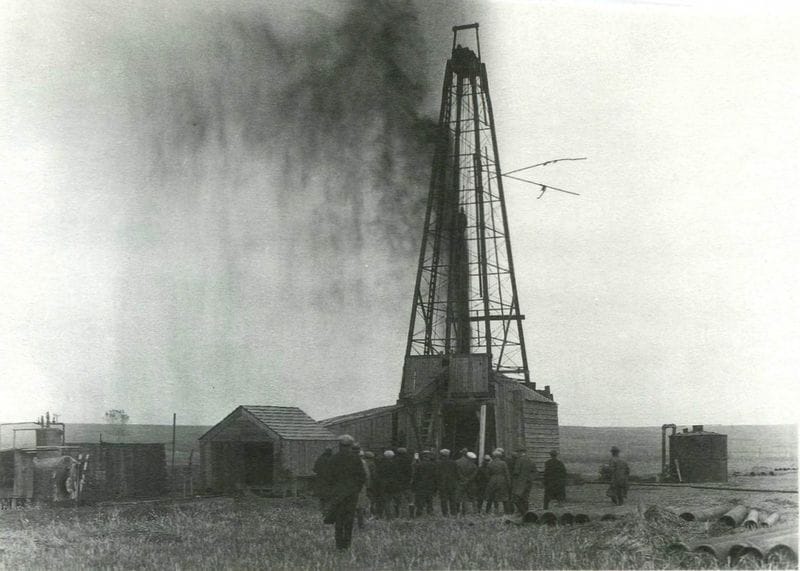
The "Osage blanket" is the sheet of black gold that soaks the reservation's subsoil like a sponge. The existence of oil was already known, but before the early 20th century, who would have thought of using this black, foul-smelling liquid to power engines? The arrival of the automobile changed everything. Oklahoma, Texas and part of Kansas were covered with derricks. On the Osage reservation, the wells were among the richest.
The Osages then experienced the greatest economic miracle of their history. Oil companies were invited to exploit the field and paid hefty royalties to the tribe. Officially, the tribal roll kept by the Bureau of Indian Affairs listed 2,229 Osages in 1909. They were allotted shares, with every Osage alive on the date of the distribution – adult or child, including newborns – credited with bearer shares.
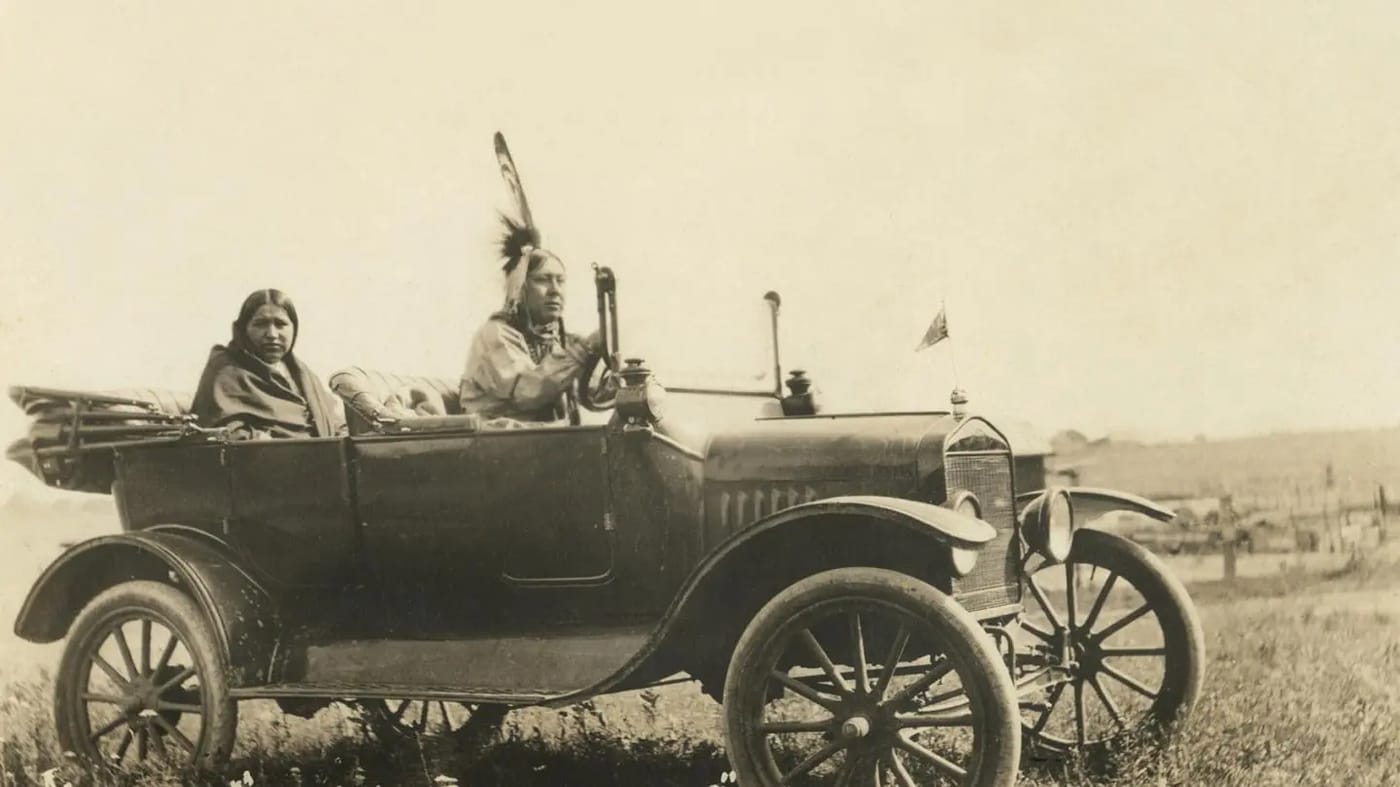
Wealth came suddenly. The least cautious embarked on a lavish lifestyle, having mansions built, buying the most luxurious cars and covering their wives with jewellery. American newspapers never tired of describing this spendthrift life and, if necessary, embellished it.
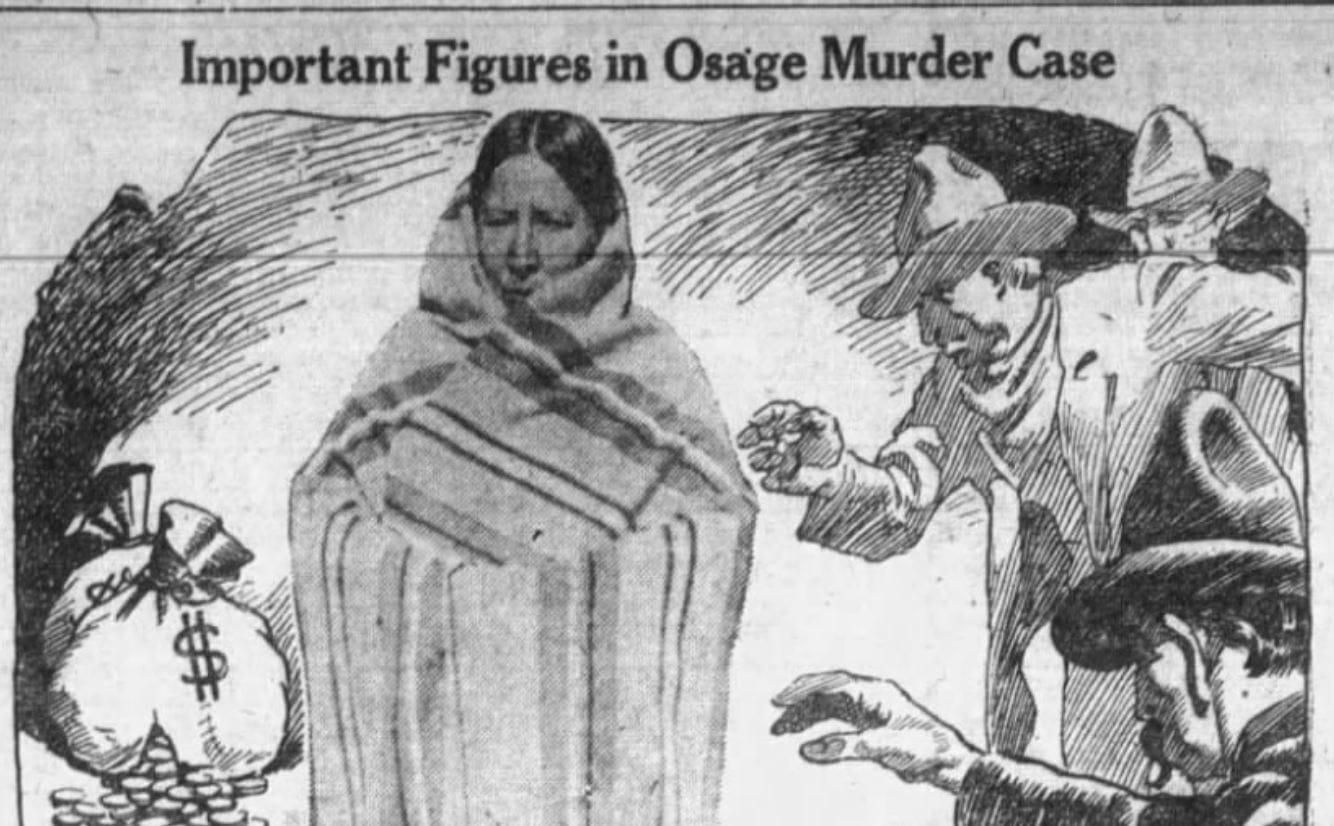
This did not escape the attention of adventurers, swindlers and crooks who ruthlessly exploited the naivety of the Osages, unused to handling dollars. The most sinister of these bandits went as far as violence. Murders, criminal explosions and arson discouraged victims, who fled – most of them to southern California, where they remained united and connected to their families in Oklahoma.
Other, more prudent Osage families invested in education and sent their children to the best schools. They returned laden with diplomas and went on to hold enviable positions in American society.
The Osages today
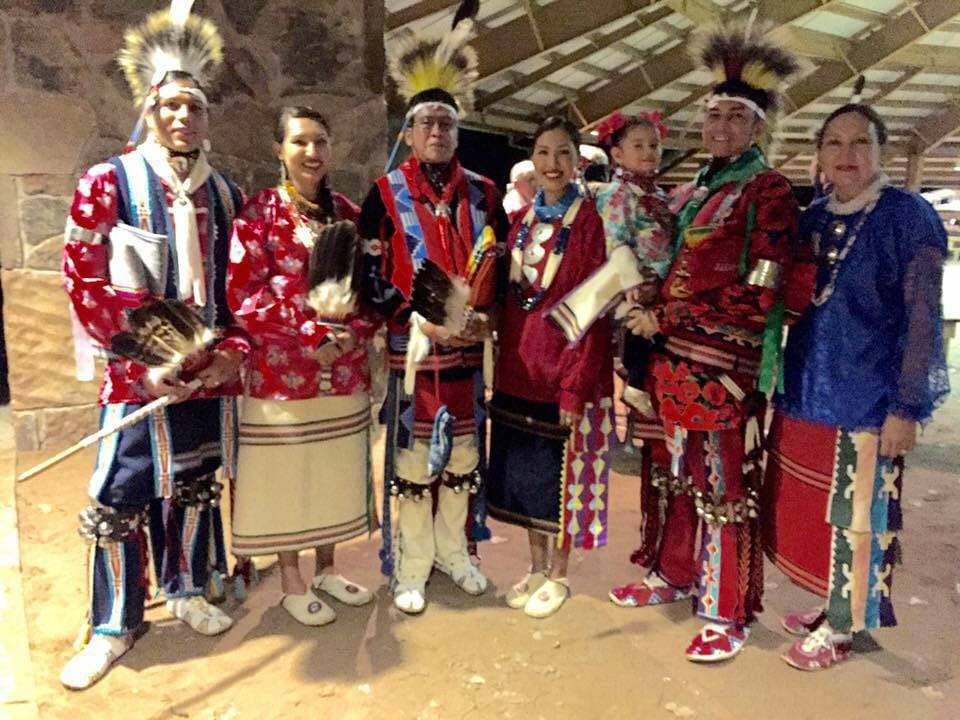
Today the Osage tribe still exists and has about twelve thousand members, roughly half of whom still live on the reservation, now called "Osage County". Its Tribal Council meets regularly in Pawhuska, the capital, which is also the county seat. Osages pursue the most varied professions, or are sometimes unemployed, but whatever their social condition they live by American standards.
Yet despite differences in background and social circumstances, the Osages come together in unity at traditional ceremonies. Young and old gather to perpetuate their traditions, preserve their identity and celebrate their shared culture.
Osages today are cultural warriors!