1829: when the Osages met the people of Montauban
At the origin of the exchanges between Oklahoma and Occitania.
During the harsh winter of 1829, members of the Osage tribe arrived exhausted in Montauban (Tarn-et-Garonne), ending a wandering that had taken them across part of Europe for two and a half years.
"How can one be French?" they had wondered as they left the banks of the Missouri. All they knew of France were the trappers, the fur traders and the missionaries, mostly Jesuits, with whom they had always maintained good relations. In 1803, Bonaparte had sold Louisiana to the United States, which led to the departure of the French. This was one of the main reasons that prompted six of them – four warriors and two women – to travel to France.
Triumphantly welcomed in Le Havre in July 1827, celebrated in Rouen and then in Paris, presented to King Charles X and invited to theatres, palaces and major public events, they were feted everywhere. But the excitement lasted only one summer. Quickly forgotten, the Osages fell into destitution and wandered across Europe for more than two years. In November 1829, three of them finally reached Montauban, exhausted. Discover their great journey »
November 1829: arrival in Montauban

Little Chief, Hawk Woman and Great Soldier cross the south of France, their tired steps treading dusty roads. Winter, early that year, is already biting. They stop in Avignon, where the deputy mayor, Hector de Laurens, moved by their plight, has a small grant voted to help them.
November 1829: the hungry, exhausted little group crosses the Pont-Vieux in Montauban. The Tarn, frozen for several days, reflects a grey, cold sky. At the end of the bridge they turn right and walk up the rue des Bains, their frail figures silhouetted against the wintry landscape. A few more metres and they stand before the gate of the Hôtel d'Aliès, the bishop's residence, now Montauban's town hall.
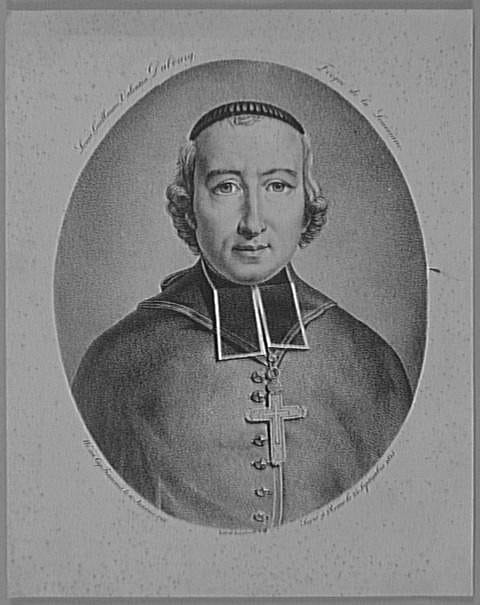
Louis-Guillaume Dubourg, informed of their arrival, welcomes and comforts them in his home. Moved by their distress, he offers them a hot meal and shelter for the night. The next day he organises a collection throughout the diocese, appealing to the townspeople, to local notables and even to the mayor of Toulouse. The people of Montauban, known for their generosity, respond. Within a few days, the sum needed for the journey home is raised.
Their hearts full of gratitude, the Osages board a boat that sails down the Tarn and then the Garonne to Bordeaux. From there, the Bayard finally takes them home, bringing their long and perilous journey to an end.
Their incredible odyssey, passed down from generation to generation, remains part of the living memory of their people to this day.
1989: a friendship rediscovered
In 1989 the Oklahoma-Occitania association got back in touch with the tribe, which embraced the project of cultural exchanges. Since then, Osages are regularly welcomed in Occitania and Occitans travel to Oklahoma. A stele in the Jardin des Plantes in Montauban commemorates this rediscovered friendship.
To understand why the Osages crossed the ocean, we have to go back a long way in the history of French Louisiana: this is the subject of the Our history section.